Technological innovation in nursing homes: Spain's aging challenge
A sector under demographic pressure
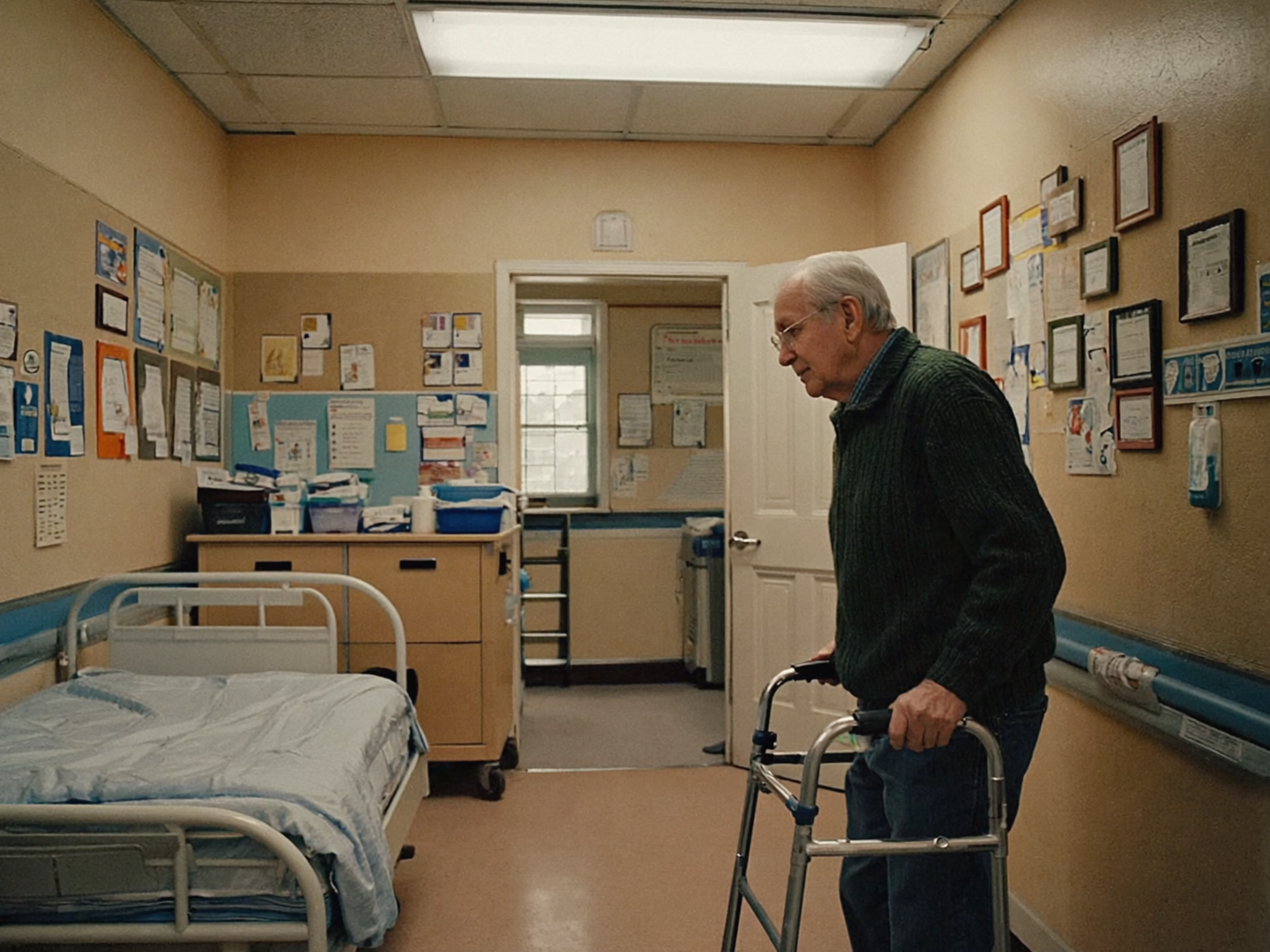
Spain faces an unprecedented demographic transformation. With over 10 million people aged 65 and above and a life expectancy exceeding 83 years, the country has become one of Europe's most aged nations. This reality puts increasing pressure on the social and healthcare system, particularly on nursing homes.
The data speaks for itself:
- The country has approximately 407,000 residential beds distributed across some 5,600 nursing homes
- The coverage rate stands at 4.02 beds per 100 inhabitants over 65, below the 5 beds recommended by the WHO
- The current deficit is around 100,000 beds, a figure that could reach 134,000 by 2030 according to Colliers estimates
- By 2035, an additional 237,000 beds will be needed according to JLL Spain
Meanwhile, unwanted loneliness affects 16.2% of older adults according to the Networks for Life report presented in October 2025 by EmancipaTIC. The risk of isolation exceeds 12% among those over 75, and 26.2% of women over 80 are at risk of emotional loneliness.
Major operators in the Spanish market
The Spanish geriatric sector is dominated by eight major groups that jointly manage nearly 97,000 beds in 593 centers. Market concentration has increased notably since the pandemic, with 23% growth in the number of centers since 2020.
DomusVi: the undisputed leader
DomusVi leads the ranking with over 25,000 beds distributed across 209 residential centers. The French group, which in 2025 opened four new nursing homes in Mutxamel (Alicante), Bormujos (Seville), Barcelona, and Tarragona, maintains an expansion strategy despite the financial restructuring that led it to defer €1.854 billion in debt until 2029.
The company also leads in innovation with projects such as:
- SERWES: an intelligent comprehensive support services platform integrating artificial vision, wearable sensors, and smart infrastructure
- DICARE: digitalization of critical processes and the nurse-patient system
- GERIA-TIC: a program in collaboration with the University of A Coruña focused on urinary incontinence, fall prevention, and sleep quality
Vitalia Home: the Aragonese bet
Vitalia Home, controlled by British fund CVC, manages nearly 10,000 beds in 70 centers. The company has invested €500 million in an expansion plan covering 30 projects and 5,000 new beds. Its "Houses to live in with garden" model focuses on reduced living units of maximum 25 residents.
Amavir: sustained growth
The Amavir group, owned by the French Mulliez family through Maisons de Famille, closed 2023 with revenues of €186 million and a network of 43 nursing homes with 6,553 residential beds. In 2024 and 2025, it has completed openings in Madrid, Ciudad Real, Santa Cruz de Tenerife, Jaén, Albacete, Granada, Córdoba, and Oviedo, adding more than 1,150 new beds.
Other relevant players
- Emeis Group (formerly Orpea): over 50 nursing homes and 8,000 beds
- Ballesol: 53 nursing homes and 7,600 beds, specialized in temporary stays
- Sanitas Mayores: 47 nursing homes and 6,000 beds, with a strong focus on telemedicine
- Clece and Colisée: expanding operators with growing presence
The technological revolution underway
The sector has accelerated technology adoption since the pandemic, driven both by the need to improve care quality and by the shortage of professionals—an estimated deficit of over 200,000 healthcare workers, especially in nursing.
Social robots: from Japan to Castilla y León
The Junta de Castilla y León has become a national benchmark in implementing social robots. The project, developed in collaboration with Fundación Intras, Asprodes, the University of Valladolid, and the Cartif technology center, has deployed devices like Temi and Copito in public nursing homes in Benavente, Soria, and Palencia.
These robots offer:
- Emotional companionship and entertainment
- Access to information and communication with family members
- Guidance for physical exercises
- Cognitive stimulation through interaction
The PARO robot, a robotic seal developed in Japan, is also used in Spanish centers for therapy with people with dementia. Studies from 2024 confirm significant improvements in positive emotions when patients receive visual, auditory, and tactile stimuli from the device.
Telemedicine and advanced monitoring
The Community of Madrid has invested €17.1 million in a technology equipment plan for its public nursing homes that will be fully operational in the first half of 2026. The deployment includes:
- 4,300 systems and devices
- 1,685 ultra-low beds
- Sensory stimulation and cognitive rehabilitation equipment
- Virtual reality systems for physical and occupational rehabilitation
- Bed radars to anticipate falls
- Wanderer control devices with RFID technology
Advanced telecare already reaches more than 85,000 people in the Madrid region, enabling monitoring, follow-up, and a sense of companionship through calls.
Artificial intelligence applied to care
The University of Córdoba and Vitalia Home have launched a joint project to improve intensive therapy for residents using artificial intelligence. The goal is to personalize treatments and anticipate care needs.
The Tool4Build project, developed by CTC Technology Center and VBE6D, is creating a digital twin to optimize energy, environmental, and comfort performance in nursing homes. The system integrates Open BIM technologies, AI, and data analytics to intelligently manage aspects such as ventilation, air quality, energy consumption, and CO2 concentration.
Virtual reality: returning to your hometown without leaving the nursing home
Bouco nursing homes (Emeis group) have implemented virtual reality workshops that allow residents to "visit" places from their childhood virtually. This technology, which activates mobility and helps slow cognitive decline, is complemented by training in the use of smartphones, tablets, social networks, and virtual assistants like Alexa.
The new residential model
The 2025 Report on geriatric projects in Spain, published by Alimarket, confirms a paradigm shift in the sector. New nursing homes abandon rigid and overcrowded structures to focus on:
- Reduced living units: groups of 15-25 residents sharing common spaces like kitchen, dining room, and living room
- Personalization: rooms that users can decorate with their own furniture and objects
- Social-healthcare integration: coordination with primary and hospital care through shared platforms
- Sustainability: BREEAM sustainable building certifications, biomass boilers, solar panels, and radiant floor heating
The Harmonia Village project in the United Kingdom, presented at the "Better Care" congress held in November 2025 in Galicia, exemplifies this trend: six independent houses that mimic the structure of a village, with non-intrusive 24-hour monitoring and a community center for activities.
The loneliness challenge: beyond beds
The 2025 Networks for Life report reveals a significant correlation between technology and loneliness. Seniors who use mobile phones have an isolation risk of 7.8%, compared to 24.1% of those who don't. Computer and wifi use is also associated with lower loneliness risk.
However, the digital divide persists: only 17.1% of those over 80 use WhatsApp as their preferred communication method, compared to 31% of the general senior population.
Initiatives like those of EmancipaTIC, ASISPA, or the Network for Attention to Seniors in Loneliness of the Community of Madrid work on digital training for seniors and coordinated intervention models. The 2025 call for "Effective innovative experiences in attention to elderly people in loneliness" seeks to identify and showcase pioneering projects in this area.
Beyond robots: virtual companion apps
While large nursing homes invest in physical robots and monitoring systems, an emerging segment addresses loneliness from another angle: virtual companion applications based on conversational artificial intelligence.
Unlike social robots, which can cost over €5,000 per unit and require technical maintenance, companion apps work on any smartphone or tablet, eliminating access barriers. Their proposition is simple: offering conversation, active listening, and emotional companionship 24 hours a day.
BuddyBeam: the Spanish case
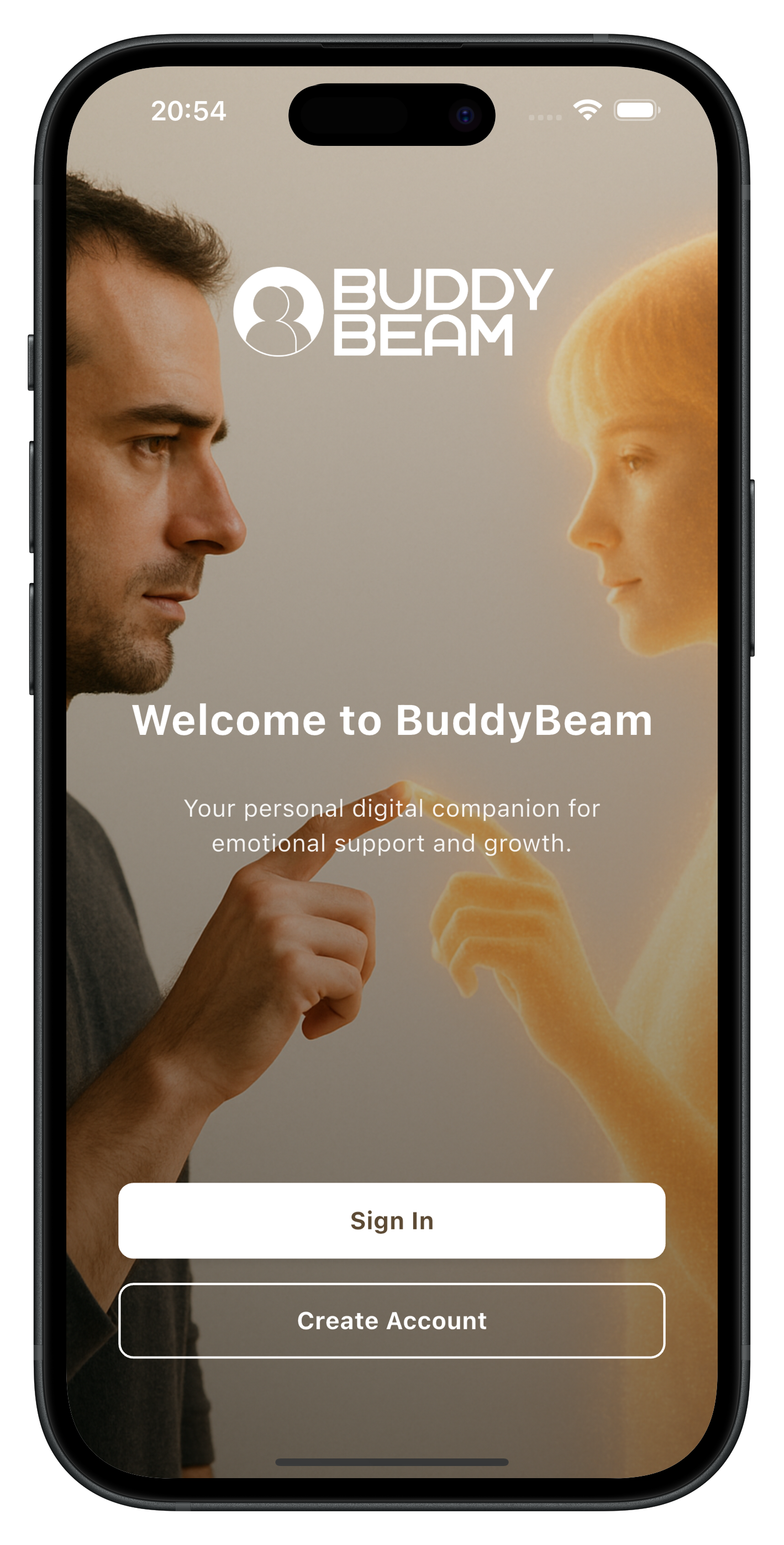
Among the solutions that have emerged in this niche stands out BuddyBeam, a Spanish application launched in December 2024 that uses photorealistic avatars to provide emotional companionship to elderly people.
The app offers two main avatars—Marco and Laura—that maintain natural conversations through artificial intelligence, adapting to each user's rhythm and needs. Available in 9 languages and accessible on both iOS and Android, BuddyBeam positions itself as a complement to human care, not a substitute.
Its main features include:
- Realistic avatars: faces generated with cutting-edge technology that convey expressiveness and warmth
- Natural conversation: an AI system that remembers context and personalizes interactions
- Multilingual: support for Spanish, English, French, German, Italian, Portuguese, and other European languages
- Accessibility: simplified interface designed for users unfamiliar with technology
The company's B2B model contemplates agreements with nursing homes and geriatric groups to integrate the solution as a complementary emotional wellness service, especially during night hours or times of lower staff availability.
This type of solution gains relevance given the EmancipaTIC report data: mobile technology use is associated with a three times lower isolation risk. The key, according to experts, is that these tools facilitate—rather than replace—real human connection.
Investment outlook
The sector requires an estimated investment of over €2 billion over the next three years to develop 20,000 new beds and maintain the current coverage rate. This means launching 68 new 100-bed projects each year.
In 2024, investment in the nursing home segment reached €317 million. Romano Senior, managed by Azora, acquired 11 nursing homes from DomusVi for €92 million, raising its portfolio to 16 assets and nearly 96,000 square meters. Funds like CVC (Vitalia), ICG (DomusVi), and Creadev (Amavir) maintain dominant positions in a sector where the 15 main private operators manage 23% of the total stock.
Conclusions
The Spanish geriatric sector faces a decisive decade. The accelerated aging of the baby boom generation—which will peak at over 11 million people over 65—coincides with a structural deficit of beds and professionals.
Technology emerges as an essential ally: social robots for companionship, artificial intelligence for personalized care, telemedicine for care continuity, and virtual reality for cognitive stimulation. Major operators like DomusVi, Vitalia, and Amavir lead this transformation, although the pace of adoption varies significantly between centers.
The residential model evolves toward more human, homely spaces connected to the social-healthcare system. But the real pending revolution is cultural: combating ageism, closing the digital divide, and recognizing that loneliness—which affects one in six seniors—is not solved just with beds, but with quality connections.
Sources and links
Reports and studies
- 2025 Geriatric Sector Report in Spain - Alimarket
- The Healthcare ecosystem in Spain - JLL
- Healthcare Report - Colliers
- Networks for Life Report 2025 - EmancipaTIC
- Unwanted Loneliness Barometer 2024 - SoledadES
Operators and residential groups
- DomusVi Spain
- DomusVi R&D Projects
- Vitalia Home
- Amavir
- Sanitas Mayores
- Ballesol
- Emeis Group (formerly Orpea)
Institutions and administrations
- IMSERSO
- Network for Attention to Seniors in Loneliness - Community of Madrid
- Madrid nursing homes technology equipment plan
Innovation and technology
Specialized media
Try it Free
Sign up and meet your digital companion today.